SIGN NOW:
Demand equal access for children with blindness
Too many children with sight loss are being left behind. Your signature helps ensure kids have non-negotiable rights from the day they’re diagnosed with low vision – meaning they’ll have the support, tools, and community they need to thrive.
By signing this pledge, you support:
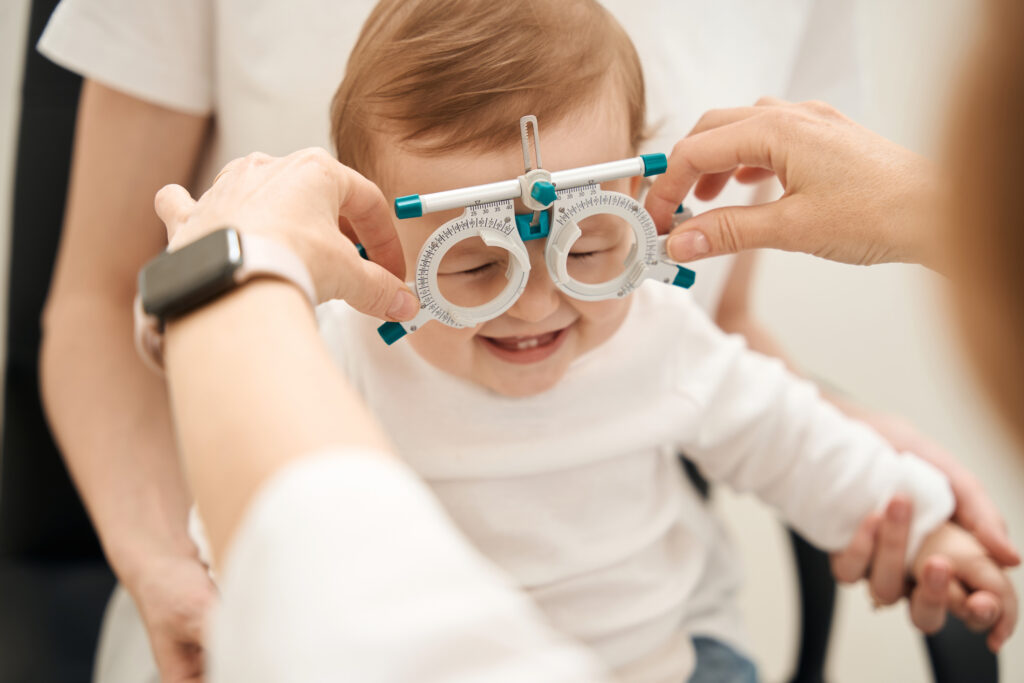
- Early and regular access to comprehensive eye exams beginning at 6 months of age
- Immediate referrals to specialists at diagnosis
- Timely access to technology and braille support
- Trained educators and accessible classrooms
- Accountability measures for vision accessibility across health care and education systems
Children with blindness deserve better
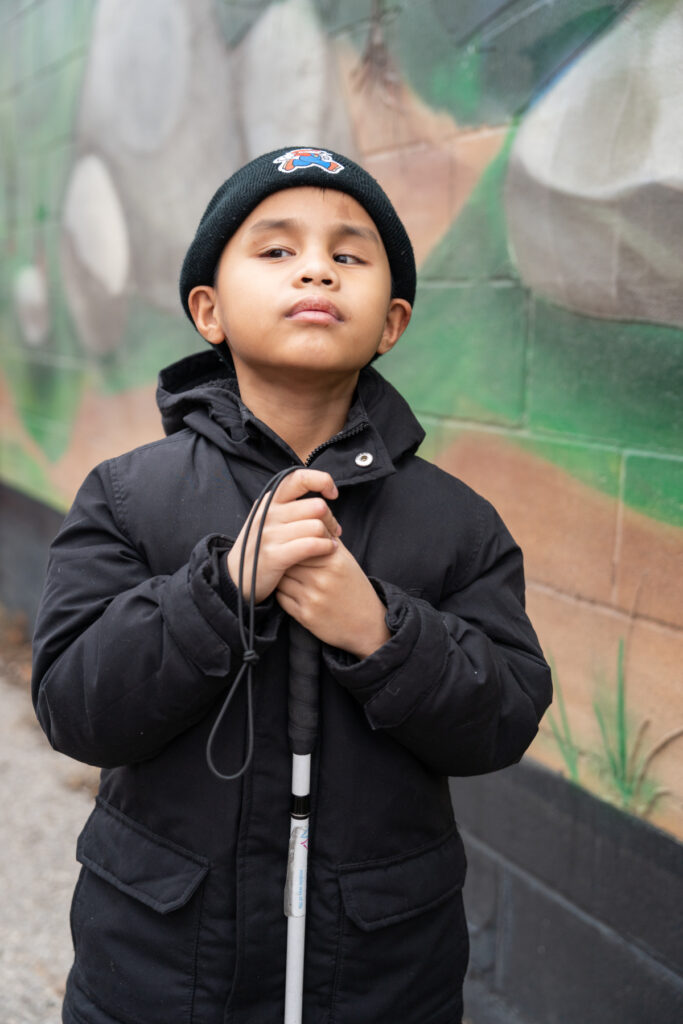
Right now, children with blindness or low vision are being denied the tools and resources they need to thrive. Too often, children are diagnosed with low vision and families are sent home with no support, no guidance, and no plan.
Most teachers aren’t equipped to support students with blindness in the classroom. Parents don’t receive direction on how to support their kids’ education. And children have to wait far too long for schools to provide the assistive technology and accessible materials they need to keep up in class.
But it doesn’t have to be this way. Together, we have the power to demand change for Canadian children with blindness or low vision.
With this Charter, we will change the system
Your signature adds pressure on decision-makers in health care, education, and government to ensure children with blindness or low vision have the support they need to excel.
The Charter of Rights of Children Who Are Blind or Low Vision
CNIB consulted thousands of parents across Canada to build this Charter – it’s grounded in the lived realities of families who are fighting for their children’s rights every day.
We will ensure barriers are eliminated for children with blindness, Deafblindness, and low vision so they have the same opportunities as any other children to achieve their true potential. In pursuit of this goal, stakeholders across the health care, educational, and legislative systems must put in place these essential building blocks:
- Early identification of vision problems
- Elimination of social stigmas
- Implementation of best practices, accountability measures, and opportunities for continuous learning about the challenges associated with blindness, Deafblindness, and low vision among health care and educational professionals
Commitments of Health Care Professionals
Children with blindness, Deafblindness, or low vision and their families, including those in rural and remote areas, must be able to rely on health care professionals or a commitment to providing:
- Clear, accessible, and comprehensive information relating to eye health;
- Referrals to community support services at the time of diagnosis;
- And health care professionals who advocate for the child and family, collaborating with other professionals throughout the continuum of care.
Commitments of the Educational System
Students with blindness, Deafblindness, or low vision and their families must receive a commitment from the educational system to:
- Integrate low vision, blindness, and Deafblindness into the general curriculum to cultivate a culture of equal participation and inclusion;
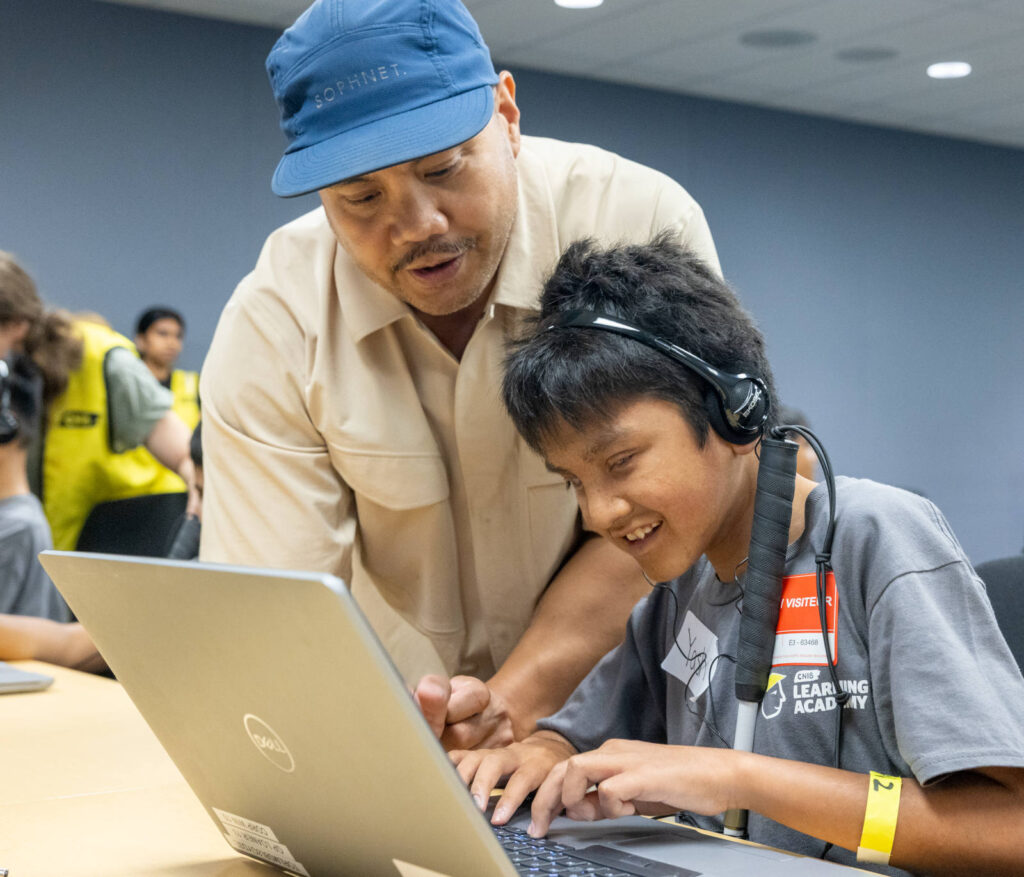
- Equip teachers with the tools, training, and resources needed to support students who are blind, Deafblind, or have low vision;
- And provide students with timely access to technology, devices, materials, and accommodations – including ensuring the physical and social environment is inclusive, extracurricular activities are accessible, and braille support is provided to every child who needs it.
Commitments of Families
Families of children with blindness, Deafblindness, or low vision will commit to:
- Maintaining regular communication with health care, educational, and other community partners who interact with their child;
- Keeping appointments and following up on referrals and recommendations related to their child’s wellness;
- And being transparent about changes in their child’s situation (e.g., change in sight, change in behaviour, etc.) so their care team can best support the child’s changing needs.